
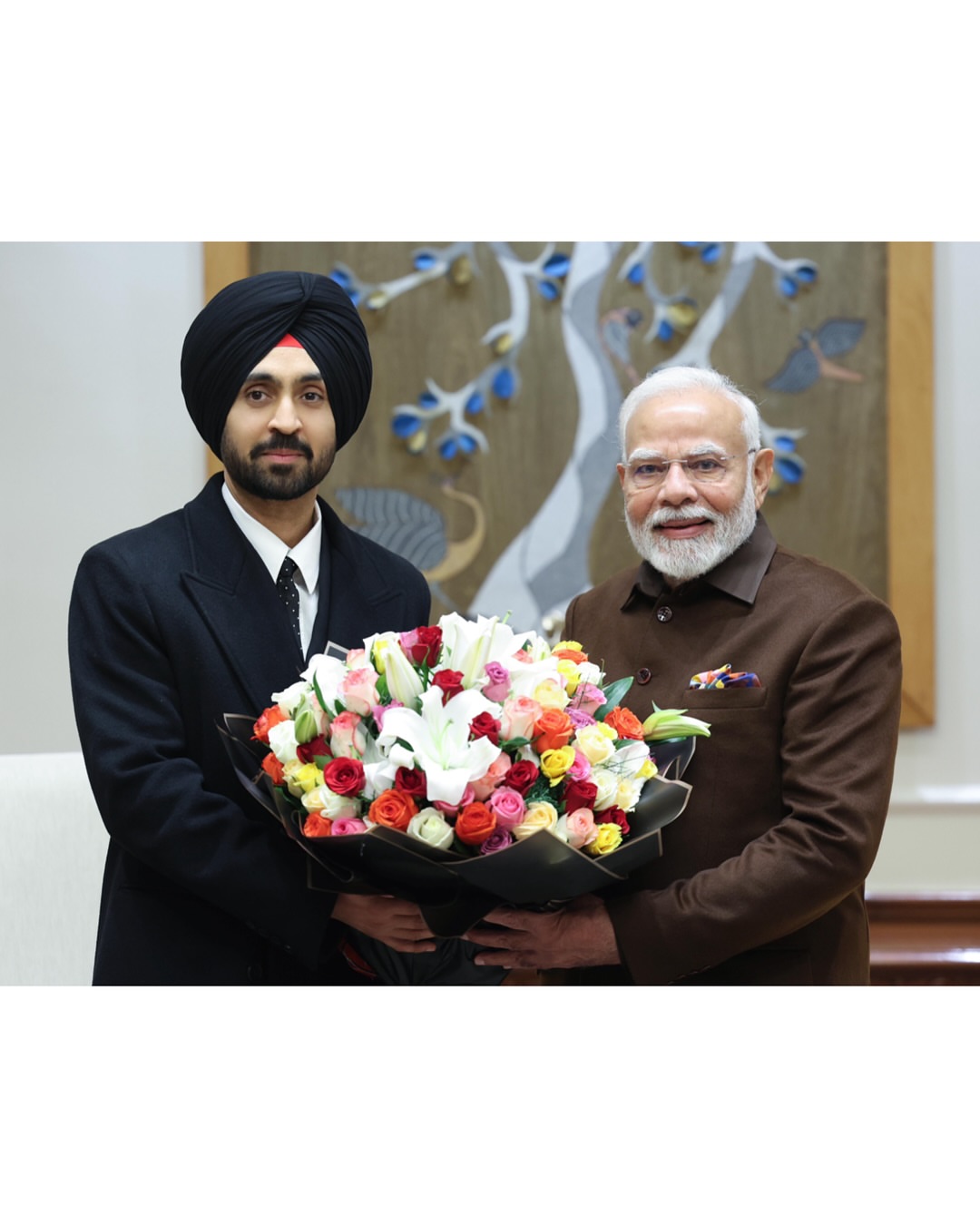
In today’s hyper-polarized landscape, where entertainment often finds itself at the mercy of geopolitics, even well-intentioned artists can be caught in the line of fire. The recent controversy surrounding singer-actor Diljit Dosanjh is a case in point—a situation where context, not outrage, deserves the spotlight.
The backlash centers on Sardaar Ji 3, a Punjabi film that features Pakistani actress Hania Aamir in a lead role. In the wake of the Pahalgam terror attack in April 2025, tensions between India and Pakistan escalated sharply, and industry body FWICE renewed its longstanding ban on Pakistani artists in Indian cinema. While the sentiment is understandable, targeting Diljit—for a film that was shot before the attack occurred—is shortsighted.
The Timeline That Changes Everything
Diljit, addressing the controversy, stated unequivocally that Sardaar Ji 3 was filmed in February 2025, two months before the attack that reignited public sensitivities.
“When the film was made, the situation was fine. This film was shot in February. A lot of things happened after that that are not in our control,” he said.
Once the political climate changed, the producers, according to Diljit, made the tough call to shelve the India release and focus on international markets to avoid further conflict—despite incurring substantial financial loss.
“They invested a significant amount of money into this project… And when the film was being made, nothing like this was happening.”
In short, this is not a story of defiance or disregard for national sentiment. It’s a story of unfortunate timing and misplaced blame.
A Cultural Icon Who Carries India With Him
To reduce Diljit Dosanjh’s identity to a single controversy is to ignore the monumental strides he has made as a global cultural ambassador for India.
Just weeks ago, Diljit made history at the 2025 Met Gala, becoming the first Sikh man in a turban to grace the iconic red carpet. Wearing a majestic ivory sherwani and cape by Prabal Gurung, his ensemble featured the map of Punjab, Gurmukhi script, and a ceremonial kirpan… an unapologetic celebration of his Punjabi and Sikh heritage on the world’s most-watched fashion stage.
Earlier, in June 2024, he broke another barrier by performing on The Tonight Show Starring Jimmy Fallon, marking the first U.S. television appearance for a Punjabi artist. His set wasn’t just about music… it was a moment of validation for an entire culture, streamed straight into American living rooms.
These aren’t just achievements. These are symbolic milestones… moments where a man from Punjab carried his roots across oceans and planted a flag of representation in places where it had never flown before.
Let’s Be Fair, Let’s Be Better
Yes, political tensions are real. Yes, national emotions matter. But so does perspective.
Diljit Dosanjh did not act out of malice or ignorance. He participated in a project at a time when the political situation was stable, only to see the narrative change dramatically after the fact. In such moments, nuance is not weakness… it is necessary.
When artists like Diljit amplify India’s identity across global platforms, they do more than entertain… they create bridges, shape narratives, and elevate cultural pride. To punish him for something outside his control is not justice—it’s a disservice to the very values we claim to uphold.
In the end, art should be the bridge, not the battlefield.
In an increasingly divided world, artists like Diljit Dosanjh remind us that identity, pride, and patriotism can coexist with empathy, context, and art. If we want the world to respect our culture, we must also respect those who carry it so powerfully on their shoulders.
Let the film be judged for its art… not the storm it accidentally walked into.