
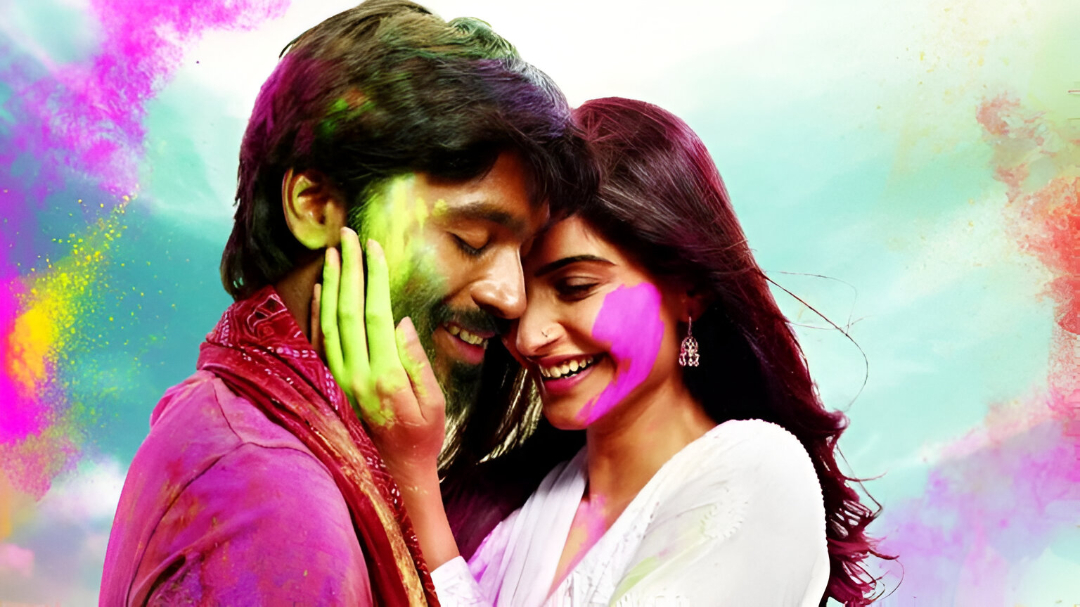
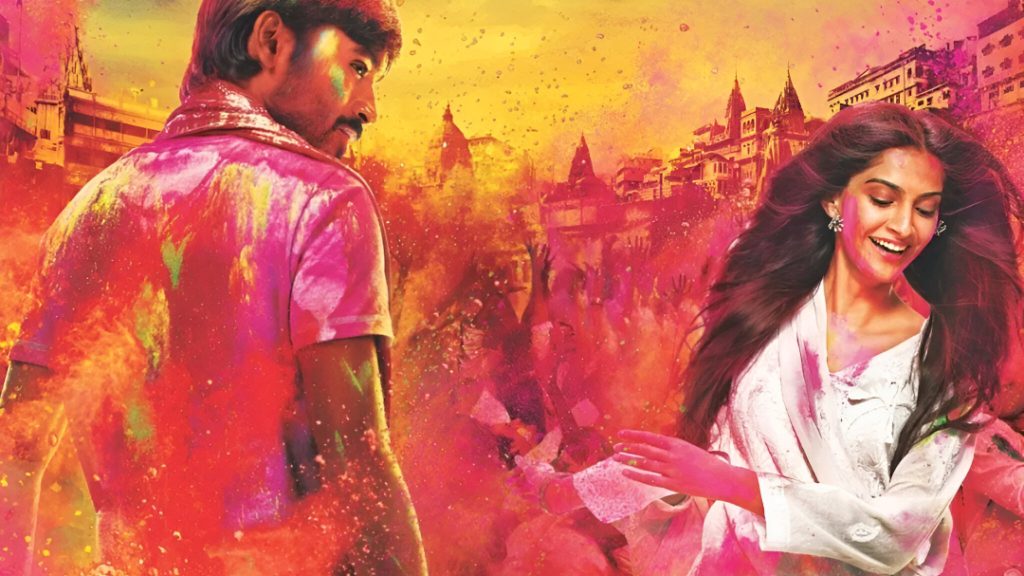
More than a decade after Raanjhanaa first hit theaters in 2013, the film has found itself back in the spotlight not for a nostalgic rerun but for an AI-altered ending that’s sparking widespread conversation online and off. Dhanush and Sonam Kapoor’s tragic love story has been digitally rewritten, quite literally, with artificial intelligence offering an alternative finale where the heart-wrenching conclusion is swapped for something more hopeful. While some are celebrating the new ending as a balm for old wounds, others, including the film’s director, are not pleased.
A New Twist on a Cult Classic
In the first Raanjhanaa, Dhanush’s Kundan is killed in a hospital due to being shot, a poetic, lamentable death for his thwarted love for Zoya, acted by Sonam Kapoor. The climax, along with a powerful monologue, gave the movie its emotional resonance and cult status. However, in the AI-generated version that has now surfaced in select screenings and gone viral on social media, Kundan doesn’t die.
In this altered scene, Zoya walks into the hospital room to find Kundan lying motionless. But instead of fading into death, he opens his eyes and slowly sits up, to the joy of Bindiya (Swara Bhasker) and Murari (Mohammed Zeeshan Ayyub), who are moved to tears. The audience at cinemas apparently went wild at this point, with videos now going viral on channels such as X (formerly Twitter) demonstrating emotional responses from spectators.
Fan Responses: Delight, Sentimentality, and Discontent

Fan reactions have varied from ecstatic to outraged. Some viewers expressed how satisfying it was to see Kundan live, arguing that this “alternate comfort” ending provides closure that the original denied them. “The crowd is cheering. They are getting the comfort for which they come. What’s the harm?” one user tweeted.
Others weren’t as forgiving. “This ruins the soul of Raanjhanaa. “The film’s emotional impact came from its heartbreak,” one fan remarked. Another wrote, “Some films don’t need happy endings. That’s why they stay with you.” Several users criticized the decision to change a cult film’s ending without the creator’s involvement, calling it a “disrespect to artistic integrity” and “the beginning of a dangerous trend.”
Director Aanand L. Rai Gets Back
One of the most vocal critics of the AI-altered ending has been Aanand L. Rai, the director of the original film. Taking to Instagram, Rai shared an emotional message expressing his disapproval, revealing that the changes were made without his consent or awareness. “The past three weeks have felt surreal and deeply distressing,” he wrote. “To watch Raanjhanaa, a film born out of care, conflict, collaboration, and creative risk, be altered, repackaged, and re-released without my knowledge or consent has been nothing short of devastating.”
Rai’s reaction underscores a growing concern in the creative industry, where AI technology is being used not just to remix music or alter visuals but to revise narrative arcs and endings in stories that are considered complete artistic statements.
A Broader Discussion of AI and Creativity
The Raanjhanaa moment is only a small slice of a larger controversy about the morality of AI use in cinema. The more sophisticated artificial intelligence becomes, the more it can cut, construct, and even recast scenes with minimal human intervention. This creates new possibilities for creativity, but it obscures the distinction between homage and interference.
To most, however, the concern is not only that the ending of a single film would be altered, but that AI would be used to rewrite film history in response to popular opinion, current trends, or commercial convenience. “What happens when every classic gets a ‘fan-friendly’ alternate ending?” asked one commentator on Reddit. “We’ll be watching different versions of the same story, none with the original soul.”
About the Film
Released in 2013, Raanjhanaa is a love story set against the vibrant backdrop of Varanasi. It narrates the tale of Kundan, a Hindu boy who is hopelessly in love with Zoya, a Muslim girl. The film was praised for its emotionally rich plot, exceptional performances, and A.R. Rahman’s touching score. The Tamil-dubbed version, Ambikapathy, also came out soon after and was a success in the southern markets.
The movie is now gaining traction because of the controversy over its AI-created version. Ironically, this hype comes just a few months before the release of Tere Ishk Mein, a spin-off sequel that is being released on November 28.
Final Thoughts
No matter whether you consider the AI-changed Raanjhanaa ending a saccharine redo or a misguided meddling, it’s undeniable that it has reopened a dialogue about ownership, art, and the limits of technology. Filmmakers, fans, and platforms are still scratching their heads over what’s possible and acceptable in storytelling, and Raanjhanaa has the potential to become the movie that defined more than one generation and more than one finale.
Also Read: Saiyaara Breaks New Ground: YRF’s First Theatrical Release to Partner with Netflix