
When we think of Asha Bhosle, we think of music that has outlived decades, songs that feel both timeless and fresh, and a voice that has the ability to slip into any mood—playful, seductive, soulful, or heartbreaking. She is, in many ways, the very definition of versatility in Indian music. But behind the luminous success and the evergreen aura of the singer lies a chapter of struggle, pain, and quiet resilience that few talk about.
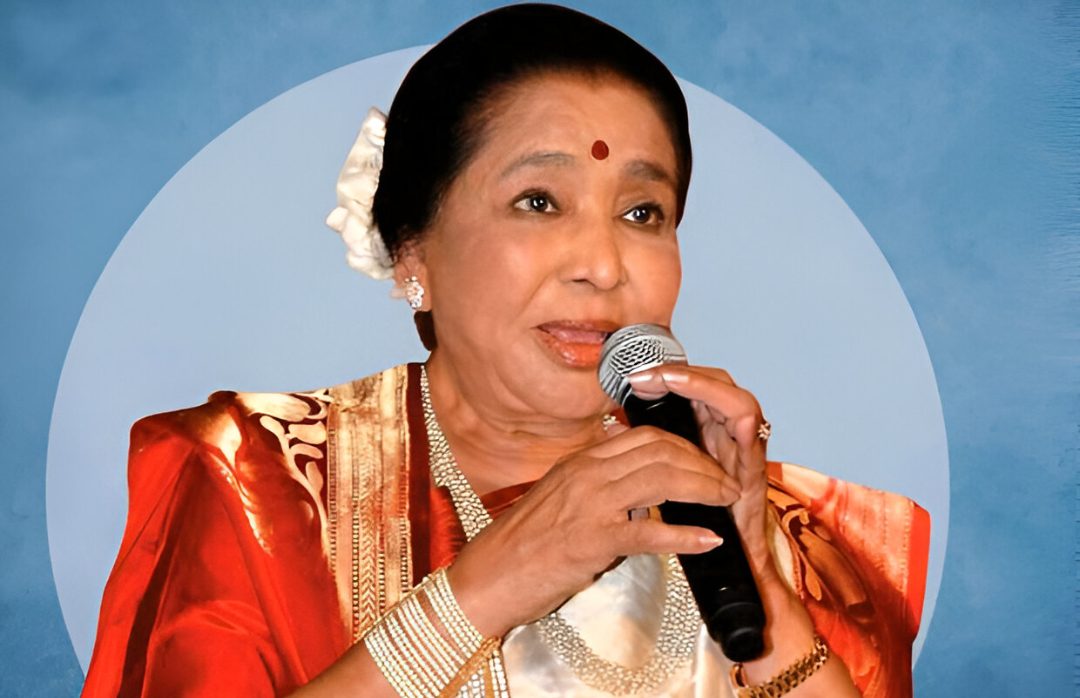
On her 92nd birthday, while tributes poured in from across the globe, it is worth remembering not just the living legend’s career but also the woman who endured unimaginable hardships in her early years, only to rise stronger each time life tried to break her.
A Childhood Cut Short
Born in 1933 in Sangli, Maharashtra, Asha was the younger sister of Lata Mangeshkar. After the death of their father, the family’s financial condition became fragile, pushing all the siblings into music at a young age. Asha’s childhood was a short one that was more filled with duty than innocence.
At the age of 16, in a gesture that was at once rebellion and love, she married 31-year-old Ganpatrao Bhosle, a choice that would alter the course of her life forever. It was a love marriage against the will of Asha’s family, and it had created an irreparable divide in the relationship between Asha and her elder sister Lata. The sisters kept quiet all these years, something that brought tremendous pain to Asha.
A Marriage Characterized by Silence and Abuse
To outsiders, Asha’s life appeared to be gradually settling; she was a young bride and soon, a young mother. But behind the walls of her home, a very different story was told.
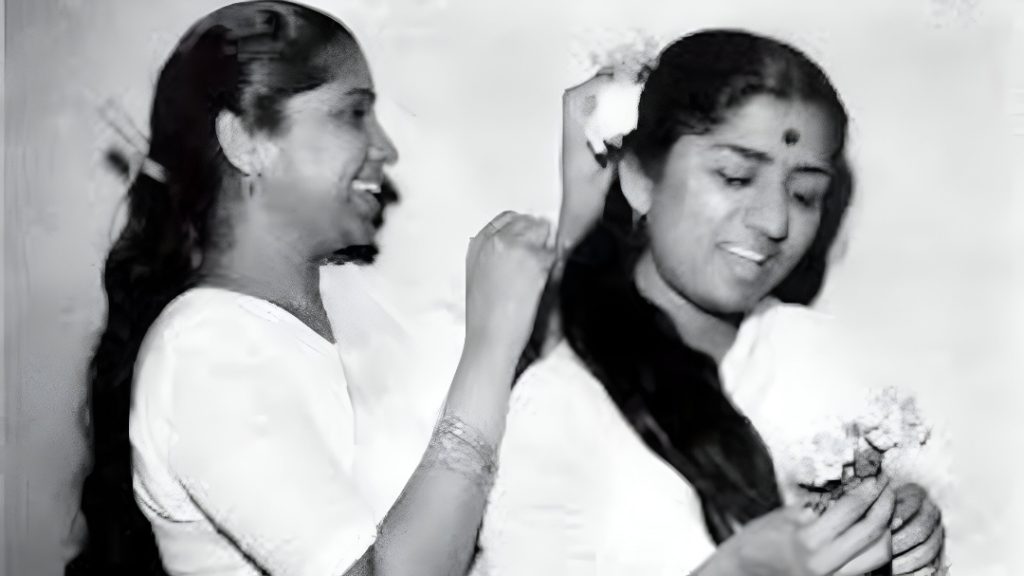
In a conversation with journalist Kavita Chhiber, Asha once openly discussed the domestic violence she experienced in her marriage. “There was abuse and ill-treatment,” she said, her words carrying the weight of years spent in silence. Ganpatrao, 20 years her senior, not only failed to support her aspirations but also resented her closeness to her own family. He discouraged her from meeting her sisters and brother, especially Lata. For someone who had grown up in a tightly knit household, this isolation was its own form of cruelty.
For a brief while, the arrival of her children softened life’s blows. After the birth of her second son, Hemant, she thought the storm was calming. But happiness was short-lived. By the time she was expecting her third child, Anand, the abuse had reached a breaking point.
Asked to Leave During Pregnancy
Consider the helplessness of being pregnant, having life inside you, and being asked to leave your home. This is precisely what occurred in Asha’s case. “I was asked to leave finally when I was expecting my youngest son, Anand,” she shared. With no other recourse available, she went back to her mother and brothers, the very people with whom she had been estranged since her marriage.
The shame of rejection and the pain of abuse would have dented her. But Asha opted for grace, not bitterness. She refused to be the victim. Instead, she chose to focus on the gifts her life had given her: her three children.
“I do not blame anyone and have no ill will,” she said. “I feel if I had not met Mr. Bhosle, I would not have had these three amazing children, and life turned out okay.”
The Resilience of a Woman, the Brilliance of an Artist
It is rare to see such forgiveness from someone who endured years of suffering. But maybe that is what makes Asha Bhosle so special—not her artistry, certainly, but her spirit. She decided to view her suffering as being part of something bigger, something that ultimately defined her music and
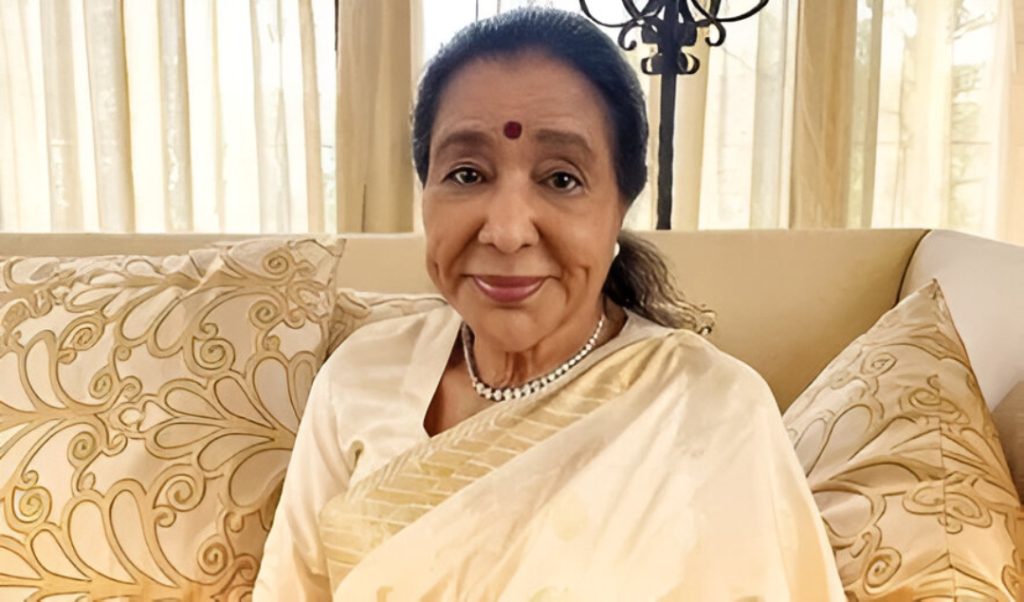
Over time, Asha rebuilt her relationships, even with Lata Mangeshkar, and established a career that is still unmatched. With over 12,000 songs in various languages, she didn’t achieve success; she set the standard for it. Her own pain never showed itself as intense bitterness but instead gave her voice a richness that listeners could sense, even if they didn’t know the tale.
A Tale Beyond Stardom
When we have icons, it’s so easy to remember that the applause and awards behind them are purely human stories—stories of failure, heartbreak, survival, and courage. Asha Bhosle’s story is a reminder that even the strongest voices have shaking moments, but the key to survival lies in learning how to sing again.
Today, as she celebrates her 92nd birthday, her legacy is not only in the songs that keep ringing through the generations but also in the life she led with dignity, forgiveness, and strength. Her biography is more than music; it is a statement about survival, hope, and the quiet strength of not carrying hate.
Ultimately, maybe that is Asha Bhosle’s best song, the one she lived.