
Breaking the Old Record and Setting a New Standard
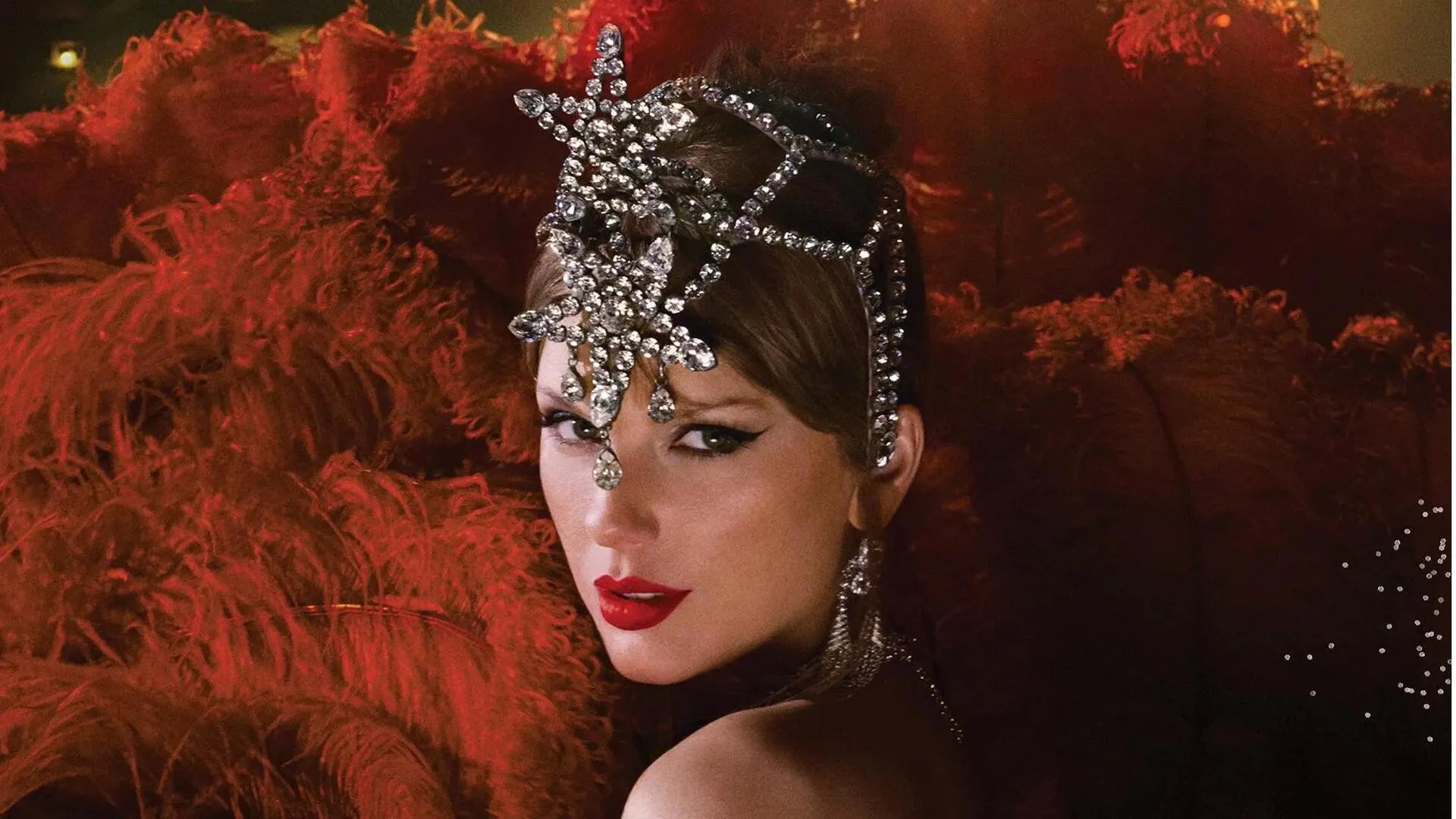
There’s a certain inevitability when Taylor Swift releases new music records: fall, charts realign, and public conversation spikes. With The Life of a Showgirl, Swift didn’t just top a chart; she created a new benchmark for success. The album recorded the equivalent of 4,002,000 units in its first week in the United States, surpassing Adele’s decade-old record for 25 and redefining what a major release can achieve in the streaming era. The scale of that number isn’t just impressive; it’s historic, proving that Swift’s grip on the cultural pulse is unmatched.
How She Sold So Many: The Format Breakdown
The staggering total wasn’t driven solely by streams. Roughly 3,479,500 of those units were full album purchases across CDs, vinyl, digital downloads, and even cassette tapes, a rarity today. Vinyl alone accounted for 1,334,000 copies, setting a modern-era record that beat Swift’s own milestone from The Tortured Poets Department. In an age where crossing even one million traditional sales in a year feels impossible, Swift did triple that in a single week. It’s a feat of marketing and emotional connection. Fans weren’t just listening; they were collecting.
The Mechanics Behind the Success
Swift has turned every album drop into a global event. Showgirl appeared in 38 distinct editions. 18 CDs, eight vinyl pressings, a cassette, and multiple digital bundles featuring acoustic tracks, alternate covers, and voice-memo snippets. It’s a masterclass in fan engagement, offering choices that transform buying into participation. Add in surprise merch drops, surprise releases, and fan-subscribed news feed updates, and Swift has built an empire that thrives on anticipation.
Tour Momentum and Multimedia Tie-ins
Fueling this frenzy is the afterglow of Swift’s Eras Tour, which generated over $2 billion from 149 shows, the highest-grossing tour ever. To keep that momentum going, she announced two Disney+ shows: The End of an Era, a six-part documentary series chronicling the artistic making of the tour, and The Final Show, a concert movie of her Vancouver finale. Both drop on December 12, giving fans an immersive, behind-the-scenes expansion of the Swift film franchise.
Why This Matters for the Music Industry
Apart from the figures, Showgirl’s show rewrites the rulebook on what can succeed in a digital-first age. It shows that physical formats and streaming are compatible if paired with narrative and collector value. For the music business, it’s a reminder that people crave to connect with something tangible, not playlists. Swift has proved that emotional narrative, special content, and fan devotion can still drive old-fashioned album purchases in the era of TikTok.
A Note About the Music Itself
Under the marketing genius lies music that is introspective but melodramatic, forceful but self-aware. Critics have referred to Showgirl as a mirror that reflects Swift’s duality: a stadium-filling artist who continues to write as if whispering confidences in a journal. The name is nearly symbolic, an ode to the way she has grown from country ingenue to global icon who knows how to own every ray of light she stands under.
Fan Culture and Communal Listening
Nobody mobilizes fandom as efficiently as Swift. Fans host release-night parties, swap collector’s editions, and decode hidden Easter eggs in song texts and liner notes. That shared experience makes a consumption ritual. To buy a Swift album is not just to own it; it’s to belong to something that crosses continents and generations.
What Comes Next
With Showgirl, Swift reached her 15th No. 1 album on the Billboard 200, closing in on the Beatles’ all-time high of 19. Her ability to evolve with every project without sacrificing herself has made her a case study in durability. Whether or not others can replicate her exact recipe is doubtful, but her recipe of narrative-driven releases, creative risk-taking, and communion with core fans is a lesson for the industry at large.
Final Thought
Taylor Swift’s The Life of a Showgirl isn’t just another pop record; it’s a cultural moment. She’s recast the playbook for constructing, marketing, and listening to albums. And in the process, she’s proved that artistry, creativity, and connection can still move millions emotionally and physically. Two decades in, Swift isn’t keeping up with trends; she’s setting them.