

Rome wasn’t built in a day, and neither is trust. It’s carved slowly, quietly, over years of love, until one betrayal shatters it all. Imagine the collapse when the man you stood by for years chooses someone else, secretly binding himself in a marriage you were never meant to see.
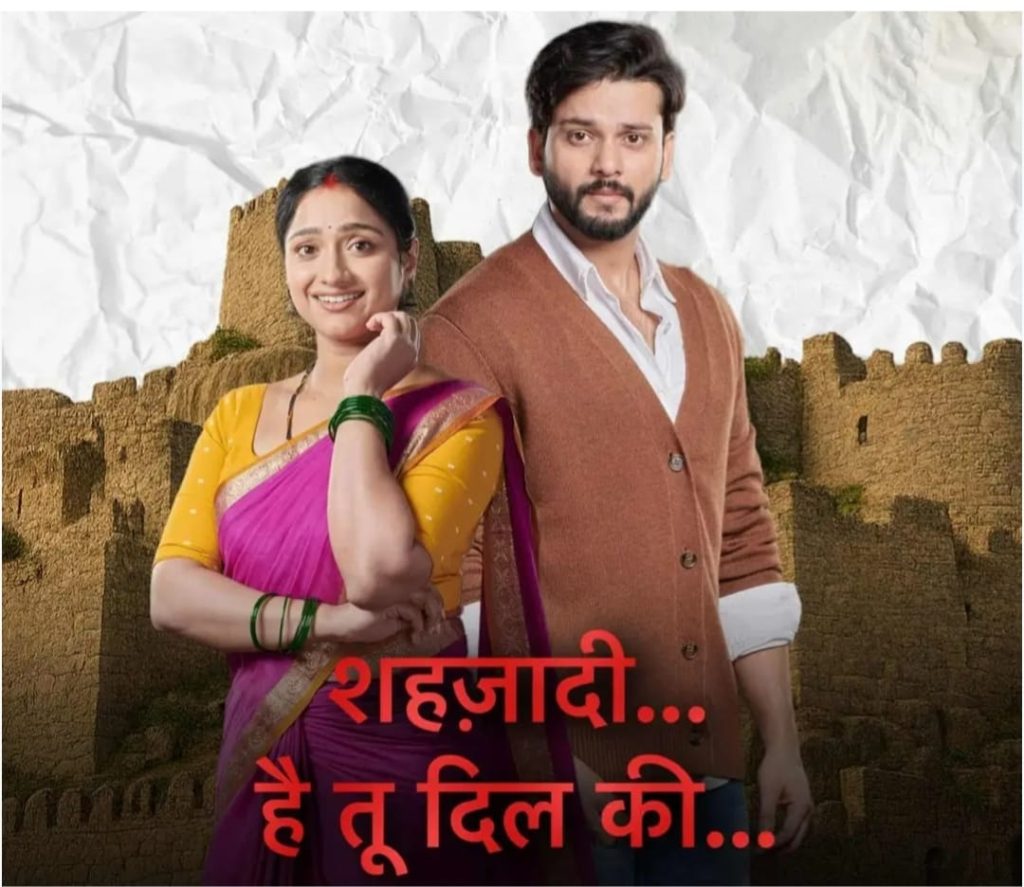
Star Plus’ new show “Shehzaadi Hai Tu Dil Ki” is a brave attempt to show the truth of society through the story of Deepa, who is betrayed by her husband in the worst ways possible. Left to pick up the pieces of her shattered life, Deepa must rebuild everything from scratch while caring for her child.
And when she was learning to live on her own, fate brought up Kartik. A kind, sweet guy who is genuinely willing to help. But after facing betrayal once, will Deepa overcome the dilemma of trusting someone again?
Deepa’s story isn’t unique; the dilemma extends beyond the screen. At some point in life, a woman has faced it. When someone offers you a hand after you’ve been pushed down by someone you’ve trusted completely, do you take it? When kindness comes your way after cruelty, do you accept it?
This is the essence of “Trust Kare Kya?”- a campaign less about the show but designed more to give voice to an internal battle millions of women fight silently. A question as simple as “Trust Kare Kya” is a loaded one that carries the weight of countless stories. It makes us pause, think twice and encourages open conversation.
Why Audiences are connecting so deeply
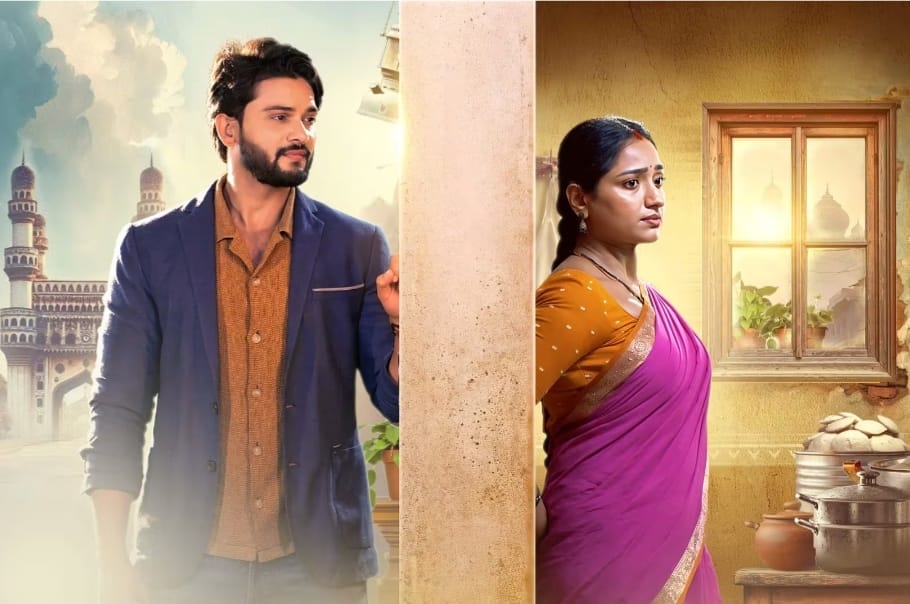
The response to the show promo has been overwhelming. Social media is buzzing with reactions, personal stories and heated debates. Women have a special related with Deepa’s pain and have shared their own struggles, about how they have been cheated before, or how they do not believe in love again.
The audience has a mixed reaction to the situation; some are in favour of trusting again and not letting one bad experience shape their entire life. They also believe that Deepa should give Kartik a chance and heal herself. While some totally understood her hesitation, pointing out that her caution isn’t paranoia, it’s a survival instinct born from real trauma. And many praised the show for highlighting a question women rarely ask aloud but always feel.
What is striking is how naturally viewers have opened up because of this promo. Instead of bombarding people with promotional videos, this campaign has made people, especially women, talk about their hardships trusting men again and how they have rebuilt themselves. Strangers giving advice to others and sharing grief is a moment in itself. In many ways, Deepa’s journey is giving people the language to talk about their own, and that honesty is what’s making the connection feel so genuine.
In the end, the show leaves viewers with a thought that lingers long after the promo ends. Sometimes the hardest battles are the ones we fight within, and choosing what comes next is a strength in itself.