
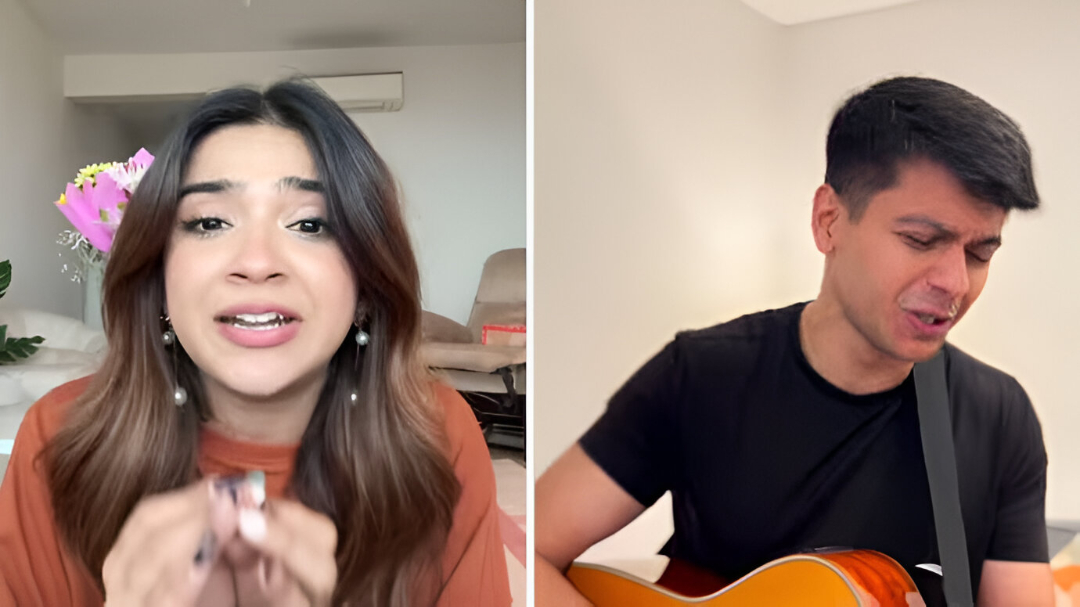
Popular Indian creator and social media influencer Apoorva Mukhija has recently been at the center of a social media maelstrom. Fresh from her appearance on Karan Johar’s reality show The Traitors, where her forthright and unapologetic nature was highlighted, Apoorva is now dealing with some serious allegations leveled by her former partner Utsav Dahiya and a public spat with fellow creator Sufi Motiwala. These events have caused a great deal of controversy and polarized opinions among believers and the influencer community as well.
Friendship Fallout with Sufi Motiwala
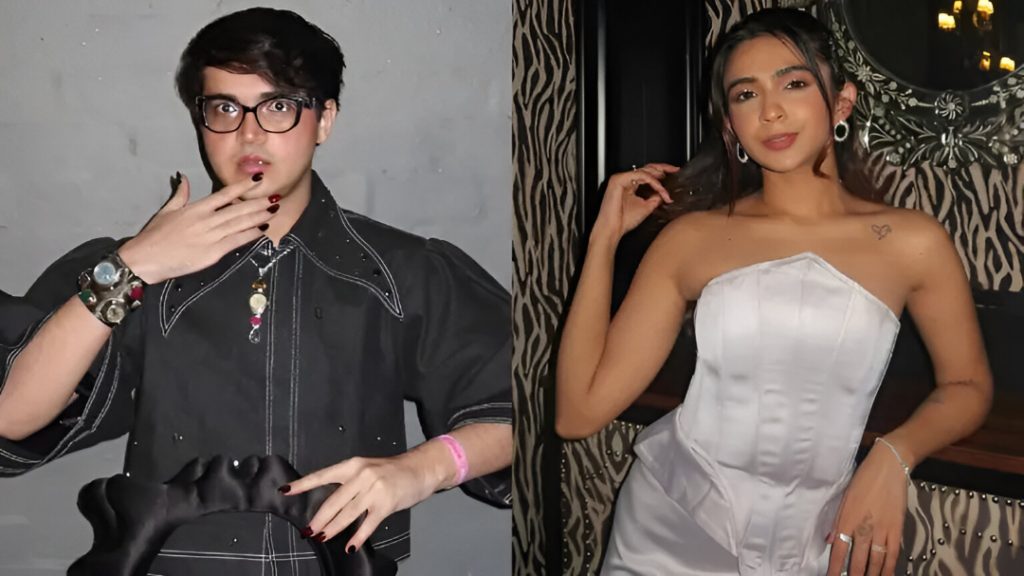
Apoorva and Sufi were most of the time named together, much to the belief of most of the fans, who thought they were very close. However, things took a turn recently when Sufi posted on Instagram that their friendship had come to an end because of Apoorva’s failure to support him at a trying time.
Sufi revealed that when he was targeted by online trolls, many from Apoorva’s fanbase, she did not stand by him or address the situation. In an Instagram story, he clarified the rumors about clout-chasing, saying, “I’ve never collaborated on a reel with Apoorva, and the only times I appeared on her YouTube channel were for her content pieces. I didn’t need her clout because we met on the show without knowing each other.”
He added that he distanced himself because he wanted accountability from Apoorva, who did not defend him or acknowledge the trolling he faced. “I wanted to be friends with Apoorva, not the ‘rebel kid,’ when there was no accountability for how I was treated,” he said.
This discovery shocked most fans and also ignited controversy over loyalty and duty among influencer fans.
Ex-Boyfriend Utsav Dahiya’s Allegations
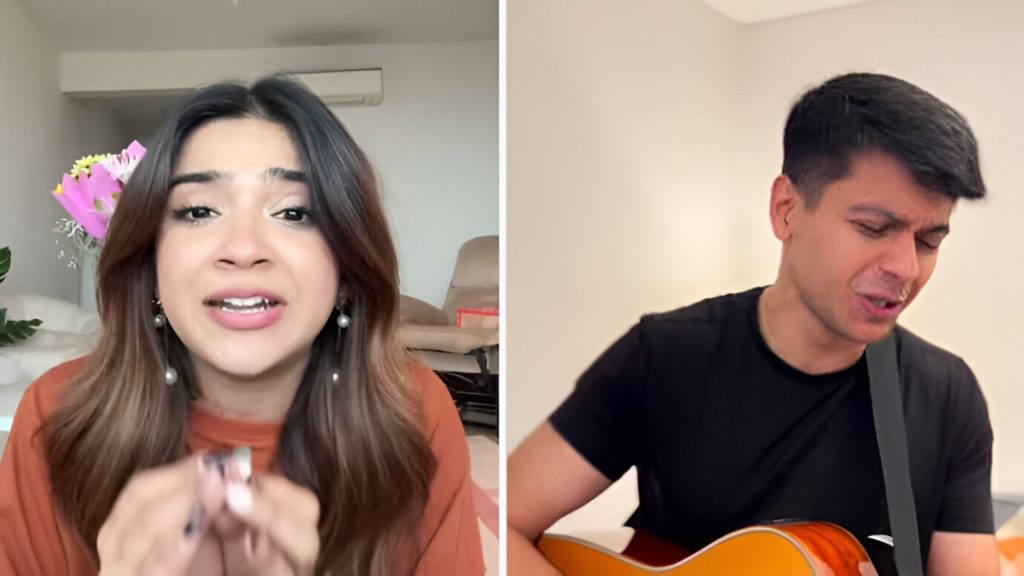
Pouring oil on fire, Apoorva’s former boyfriend, Utsav Dahiya, recently posted a strong accusation on Instagram. Although he stopped short of naming her directly, his message did not leave anyone in doubt that he was referring to Apoorva. He accused her of cheating on him while they were together and of using their relationship problems to create content for her fans.
Utsav posted a song with lyrics that were aimed at her, implying that reconciliation efforts on her part were just content tactics. He cautioned, “Ab agar koi aur bakwaas karega toh main seedha receipts nikalunga,” indicating he is ready to produce proof if fake tales continue.
He also claimed that Apoorva used the derogatory term “ghatiya” for him in public posts to boost engagement. He wrote, “Never try to gain sympathy by fabricating lies or pushing false narratives just to make content and assassinate someone’s character online. Having a big following doesn’t give you the right to bully your way by rage-baiting your audience.”
Utsav further alleged that when he faced trolling following her accusations, he reached out to Apoorva and her agency seeking help but was dismissed. “I was told, ‘You’re a nobody; be happy you got to date her,’” he shared.
Ending his post with a powerful message, Utsav stated, “Truth doesn’t need followers; it stands on its own. Your big numbers only matter on an app. The real world is bigger than lies and petty fights.”
The Breakup and Lingering Conflict
Apoorva and Utsav had announced their breakup earlier this year in January, but the tension between them has persisted. Apoorva has also frequently made veiled references to an unnamed ex in her stories, calling him a cheater and abuser without naming him, and most people assumed she was referring to Utsav. This ongoing beef has generated plenty of speculation and divided opinions among followers.
Utsav’s tweet is the sharpest response so far, pointing to the twisted implications when private lives become public content in influencer culture.
Influencer Culture: Balancing Authenticity and Accountability

This is just one of the controversies involving Apoorva Mukhija that puts under the spotlight the issues influencers of today are up against. Personal stories are at the root of how they engage with their followers, but introducing personal issues to use as content material can have hugely emotive consequences for all involved.
With her huge following, Apoorva wields a lot of influence, but that comes with responsibility. Those who are critical of her feel that using one’s own circle of friends for opinions can be misleading and damaging. Those who support influencers feel that influencers must be given their autonomy to say their own truth and their own experience.
The break with Sufi and the Utsav accusations would damage Apoorva’s reputation. How she responds by discussing her side of the situation, trying to make peace, or concentrating on work will concern her ultimate success.
What’s Next for Apoorva?
Until now, Apoorva has issued no dramatic public response to these accusations. Fans as well as detractors are watching closely to observe how she deals with this stormy period.
This epic highlights the dilemma influencers struggle with to achieve balance between authenticity and accountability. With social media constantly silting the separation between private and public life, it becomes ever so difficult to maintain emotional well-being and privacy.
Apoorva’s narrative is a stark reminder of how friendships, relationships, and reputations can be made or broken in the spotlight of social media.