
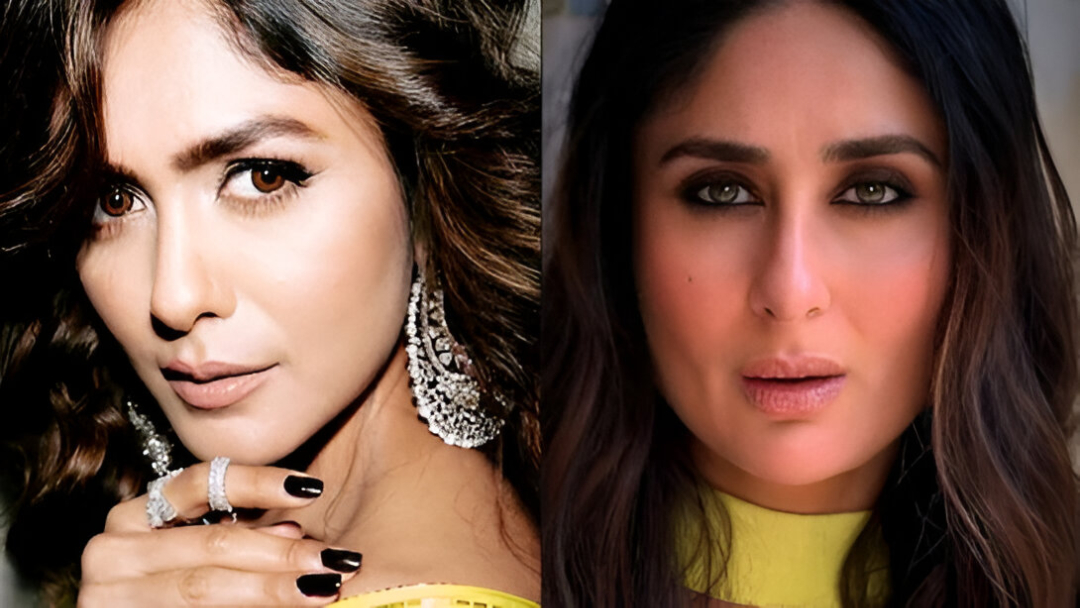
In the social media era, no secret is safe. From red carpet faux pas to off-key comments delivered in out-of-print interviews, every minute and every phrase are saved, prone to lie in wait to pop up and cause outrage decades later. The newest to join this long list of “dig and drag” culture are Bollywood actresses Kareena Kapoor Khan and Mrunal Thakur, who have both been placed under the microscope for remarks made long ago.
The Emergence of the ‘Receipts’ Culture
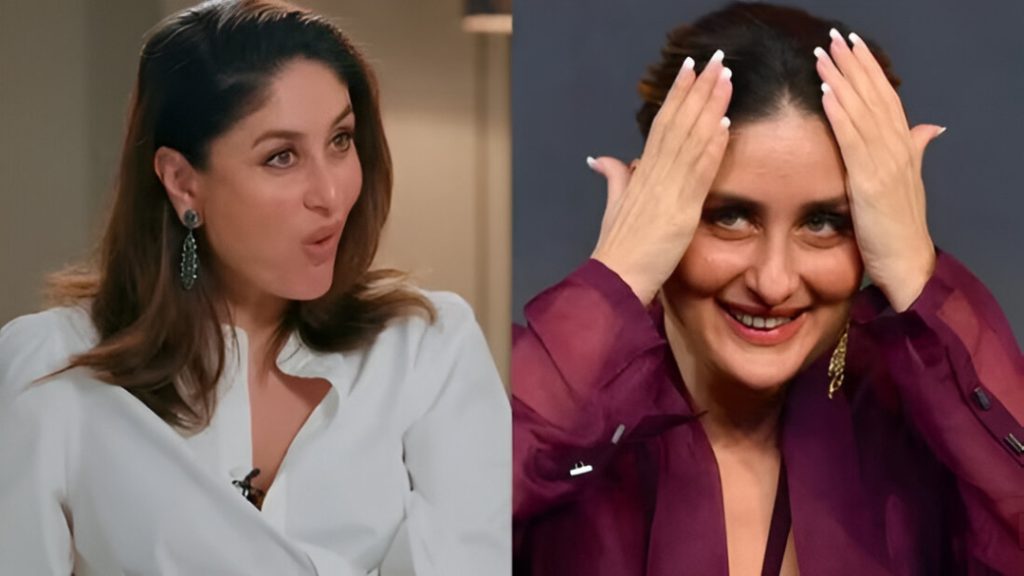
Bollywood fans and internet sleuths have lately uncovered extracts from the early 2000s’ interviews of Kareena Kapoor Khan. What was once thought of as her unapologetic honesty is now being recontextualized based on the current cultural outlook, with many criticizing the actress for arrogance and callousness.
Among the statements doing the rounds: Kareena calling director Sanjay Leela Bhansali “confused” after she lost the film Devdas to Aishwarya Rai, dismissing Sridevi’s filmography as lacking a “historic hit,” and describing co-star Ameesha Patel as having “pimples and under-eye bags” in Kaho Naa… Pyaar Hai. Let’s not forget her dig at Salman Khan’s acting chops or her once blunt opinion that “being fat is not sexy.” While many of these statements are over a decade old, they are being viewed today in a far more critical light.
Similarly, Mrunal Thakur faced online backlash after an old video resurfaced in which she appeared to mock Bipasha Basu’s physique and compared herself as “far better.” The actress later issued a public apology, acknowledging the immaturity of her past remarks.
Then and Now: A New Social Climate
What’s important to keep in mind is the greatly altered media and social context in which these interviews were first conducted. Pre-2000s Bollywood was constructed on sensationalized interviews, risqué magazine profiles, and celebrity catfights. Media organizations had a propensity to coax celebrities to utter something juicy for higher circulation and ratings.
At that time, there was minimal awareness or respect for body positivity, mental health, inclusivity, or sensitivity in public life. A snappy, uncensored Kareena Kapoor was not unusual; she was a result of an era where being frank was sometimes equated with being courageous.
But the times have changed. Public figures are now expected to be accountable and sensitive. The same remarks that earlier earned applause or trended as great quotes are now picked apart and condemned. But is it entirely fair?
Growth, Accountability, and Grace
There’s an important line between holding someone accountable and refusing to acknowledge personal growth. Must celebrities be asked about questionable past behavior? Yes. But must they be constantly penalized for who they used to be, years after personal and professional growth? That’s where it gets tricky.
We all grow. Opinions shift. Maturity brings clarity. Keeping a person hostage to what they uttered in their early 20s overlooks the fact that human beings can change. Kareena Kapoor now is a different woman from when she first entered at 19. Her career has been decades long, and with it, she’s had her fair share of controversies, motherhood, reinvention, and readjustment in a changing industry.
Mrunal Thakur is also quite new to fame and building herself as a public persona. Her apology demonstrates a desire to glance backward and improve integral in sending the message of accountability that must be taken seriously, not made fun of.
Social Media: The New Judge, Jury, and Executioner
One of the most disturbing aspects of this culture is the internet mob mentality. Social media and its instant outrage and activist performative nature don’t tend to be nuanced. It can be swift to judge but glacial in forgiving.
A Reddit discussion or trending tweet can now set public opinion, context-free and time-free. While certain critiques may be justified, the process of “canceling” celebrities on the basis of selectively chosen quotes from years ago raises concerns about fairness and compassion.
The Real Question: What Do We Want from Our Celebrities?
Do we want our celebrities to be real, raw, and honest? Or do we want them polished, diplomatic, and always playing it safe? The truth likely lies somewhere in the middle. Celebrities, like everyone else, are imperfect. They may say the wrong things. What matters more is how they grow from them.
The appeal of name-calling “mean girl” stuff or dubbing someone a “real-life Poo” (a nod to Kareena’s memorable but vacuous character from Kabhi Khushi Kabhie Gham) may be great for going viral, but it does little to promote thoughtful debate.
In Conclusion
It’s healthy to set a standard for public figures, but it’s also healthy to give them space to think and change. Rather than canceling someone over an old comment, maybe we should be asking: have they evolved, and are they willing to take responsibility for what they said? If so, then maybe it’s time we let them move on, just as we would like to ourselves.