
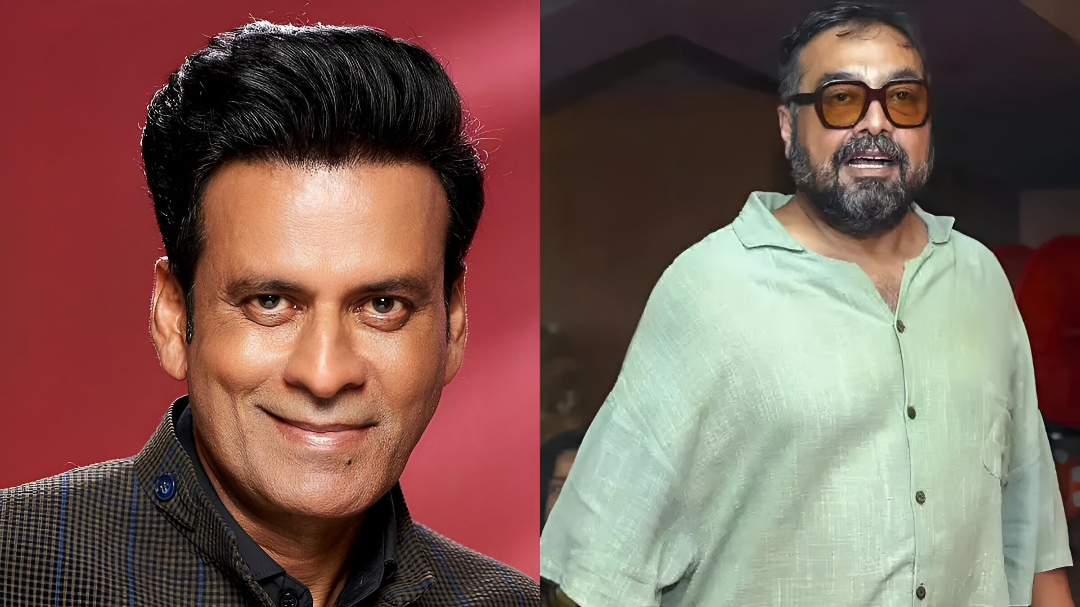
In Indian cinema, some pairings become more than merely movies; they become tales of resilience, clashes of temperament, and the will to meet halfway. The story of actor Manoj Bajpayee and director Anurag Kashyap is one such tale. From their initial days working together under Ram Gopal Varma’s guidance to the masterful Gangs of Wasseypur, they have traveled roads both rocky and filled with respect.
Recently, in a frank interview, Bajpayee talked about what binds him to Kashyap. Not the kind of petty irritation we often think of, but a burning, restless energy that has shaped both their lives and careers in different ways.
The Fire Called Anurag Kashyap
“Anurag is standing because of his own conviction,” Bajpayee said. “He’s made too many enemies in the process. He’s broken glasses, he’s broken his own hand in anger, he’s fallen sick, but he’s stuck to his guns.”
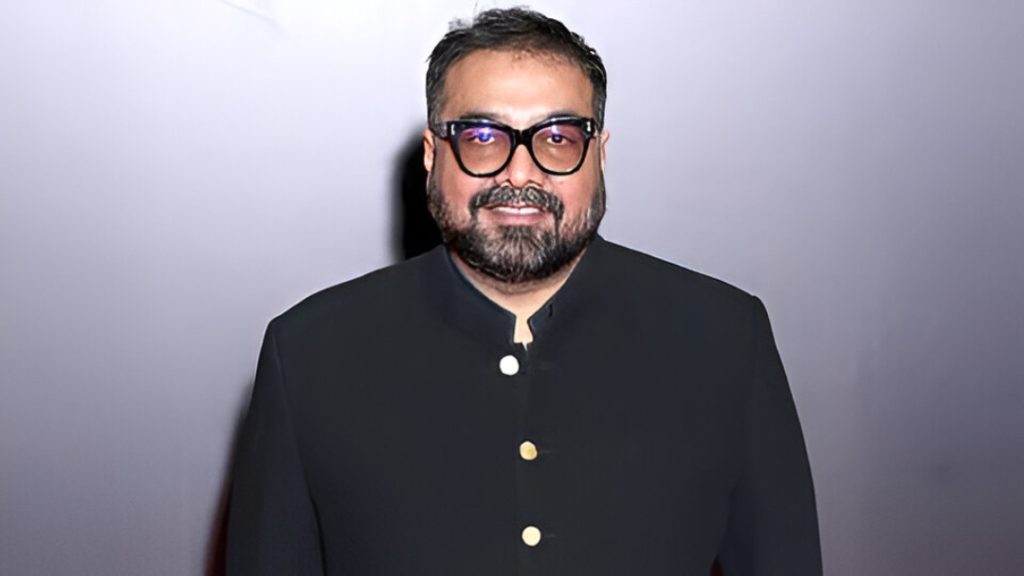
It’s not hard to see why Kashyap is often described as a maverick. His films are raw, sometimes uncomfortable, and always personal. He has never hesitated to blur lines, whether in Black Friday, Gulaal, Dev.D, or the vast sprawl of Gangs of Wasseypur. But that unwillingness to compromise has also cost him scars, shattered friendships, professional setbacks, and wars with censors and critics in equal measure.
Bajpayee believes Kashyap’s journey itself is a lesson for younger filmmakers. “They’re only looking at his films. But they should look at his journey and learn from him,” he said, hinting at the grit it takes to survive in an industry that can be as brutal as it is glamorous.
Manoj Bajpayee: Anger, But With Diplomacy
The actor admits he shares Kashyap’s temperamental streak but handles it differently. “I’d say I’m far more practical than him,” Bajpayee smiled. “He’s also practical, but he loses it sometimes. The day he starts answering trolls, I realize it’s that time when he’s losing his balance. But again, he comes back.”
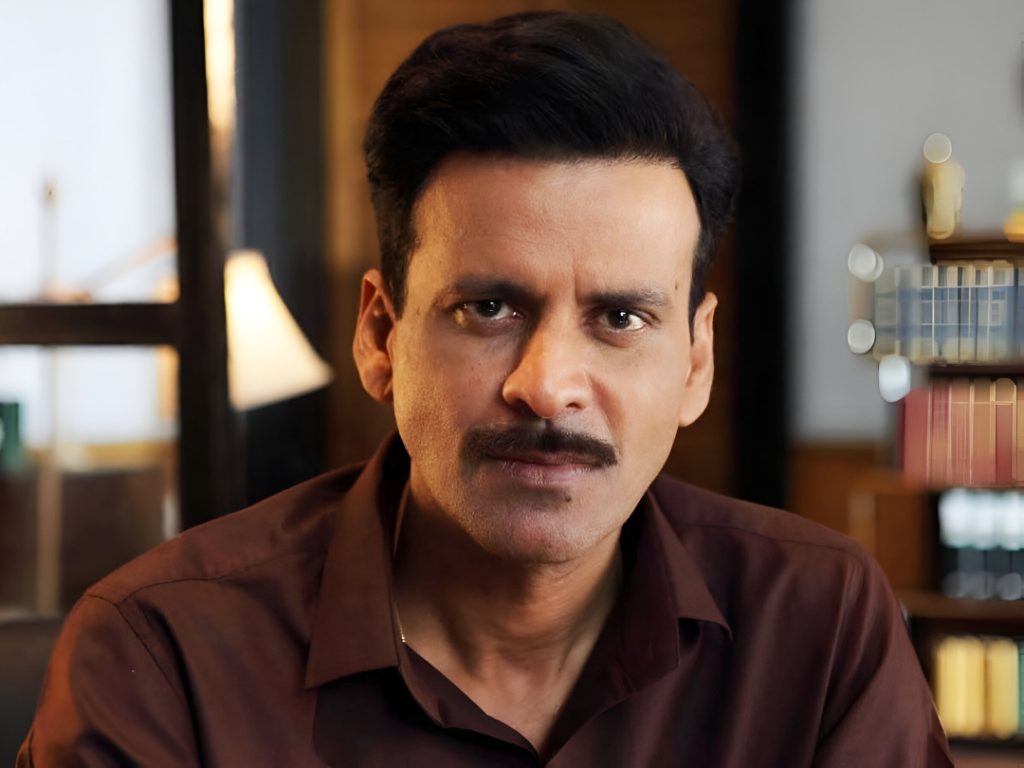
Bajpayee’s own philosophy is to avoid unnecessary battles. Having weathered his own share of professional ups and downs, he chooses to channel anger into performance rather than confrontation. “Ignore them. They’re worthless,” he said about trolls. “They don’t even respect their own brothers, sisters, and parents. They’re only looking for faults in others who’ve struggled and achieved something.”
It’s a lesson that feels particularly timely in today’s age of social media outrage, where provocation is often mistaken for dialogue.
A Rift That Wasn’t Forever
The Bajpayee-Kashyap bond hasn’t always been smooth. On a Humans of Bombay podcast last year, Bajpayee had opened up about their falling out. “There was a misunderstanding about one thing, and we didn’t talk about it. I felt he wasn’t making films of my type, and he also felt there was no need for Manoj Bajpayee because my career was going down,” he revealed.
For years, they went their separate ways, each focused on their own struggles. But destiny had other plans. When Kashyap offered Bajpayee the lead role of Sardar Khan in Gangs of Wasseypur Part 1, the silence broke. The rest, of course, is cinematic history. The film not only revived Bajpayee’s career but also cemented Kashyap’s reputation as one of India’s most daring storytellers.
Where They Stand Today
Even today, their paths continue to cross in interesting ways. Bajpayee is headlining Jugnuma The Fable, a film presented by Kashyap and directed by Raam Reddy, which releases on September 12. Kashyap, meanwhile, is juggling multiple projects: his long-stalled debut, Paanch; the festival favorite, Kennedy; and Nishanchi, a two-part action comedy marking the debut of Aishwarya Thackeray, the grandson of the late Shiv Sena supremo Bal Thackeray. His film Bandar, starring Bobby Deol, just premiered at the Toronto International Film Festival.
It’s fitting, in a way, that even when they’re not directly working together, their creative journeys continue to orbit each other.
Lessons in Survival
What’s striking about Bajpayee’s reflections is how much of his advice feels applicable beyond cinema. His own motto, “concentrate on work, deaf to the din,” is something that anyone living through contemporary life might benefit from. In an era in which outrage culture fills headlines, Bajpayee’s measured practicality is a welcome counterpoint.
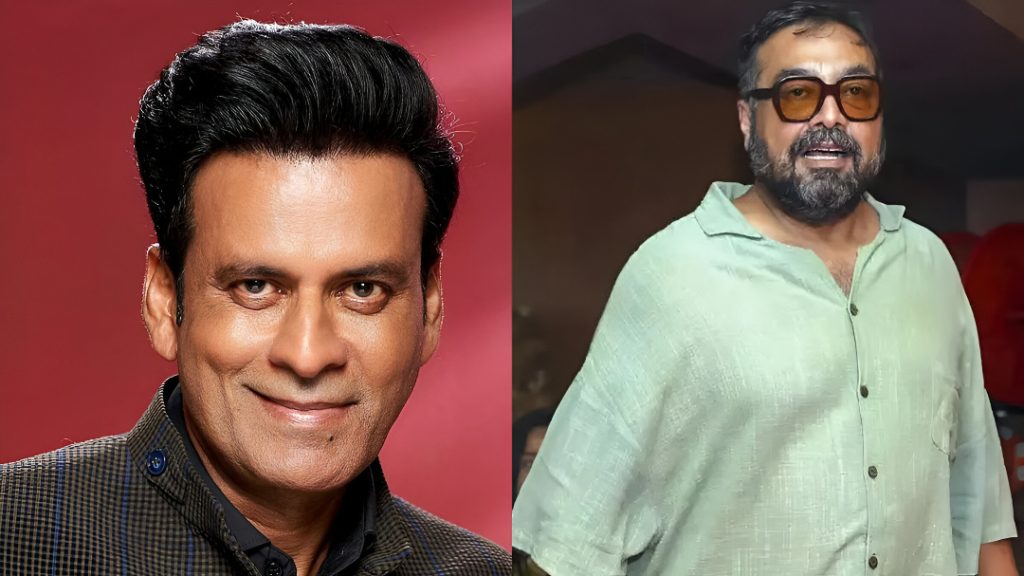
At the same time, his words about Kashyap highlight the cost of artistic conviction. “Anurag must have sacrificed so much,” Bajpayee said. “He has burned throughout his journey to reach where he has.”
That image of someone burning, yet refusing to extinguish themselves, is perhaps the most fitting metaphor for Kashyap’s career.
The Takeaway
In their own ways, both Manoj Bajpayee and Anurag Kashyap embody the contradictions of Indian cinema: anger and grace, defiance and compromise, and conflict and camaraderie. One seethes in public, the other internalizes it. But both remind us that survival in art, as in life, is a matter of conviction and persistence.
For fans, their tale is more than mere behind-the-scenes gossip. It’s a reminder that all the performances we love, all the films that touch us, tend to come at the expense of wars we don’t see. And sometimes the greatest tales are not those on screen, but those lived off it.