
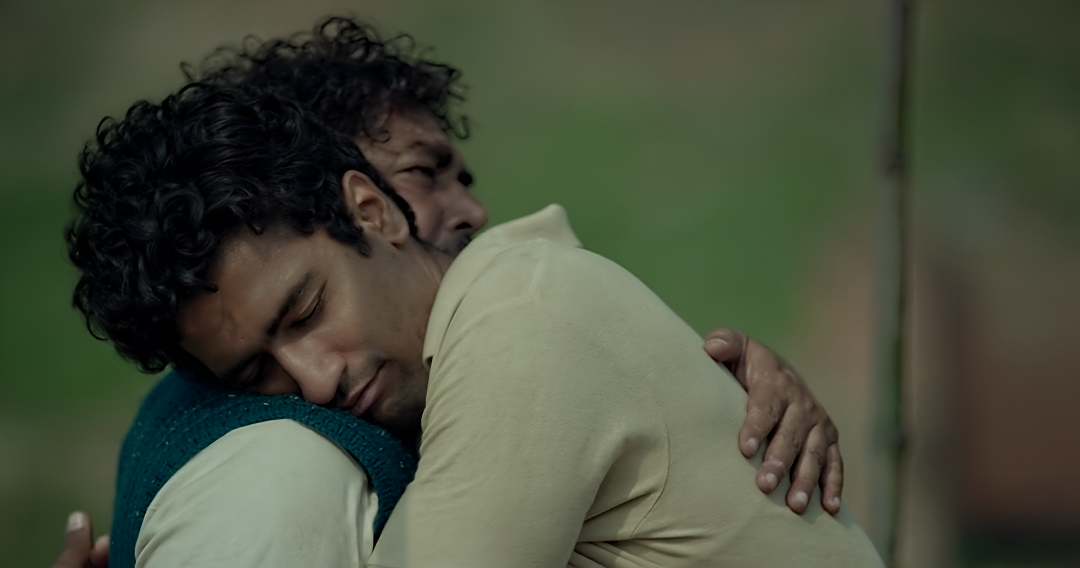
A decade ago, a quiet little film set against the spiritual ghats of Varanasi released without much fanfare, Masaan. Today, it stands tall as one of Indian cinema’s most poignant, poetic and powerful stories. As it completes 10 years, Masaan is more than just a film, it’s an experience that lingers in your heart, long after the credits roll.
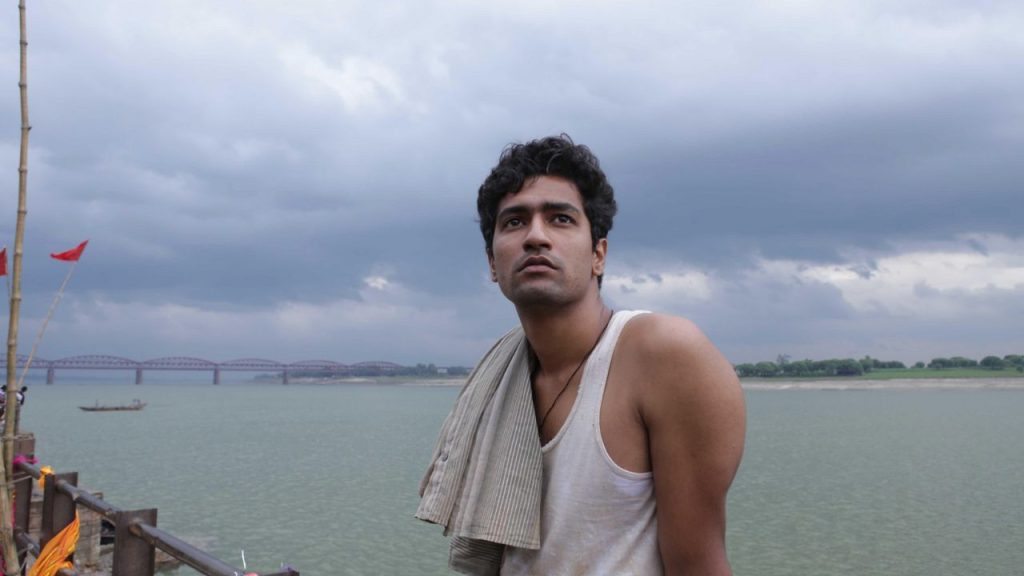
Directed by Neeraj Ghaywan, Masaan weaves together the lives of three very different characters, whose journeys, though separate, subtly converge through fate and the city’s eternal philosophy. The film’s core message, that in the end, all the dots get connected, is delivered not with melodrama, but through quiet moments, silences, and soulful symbolism.
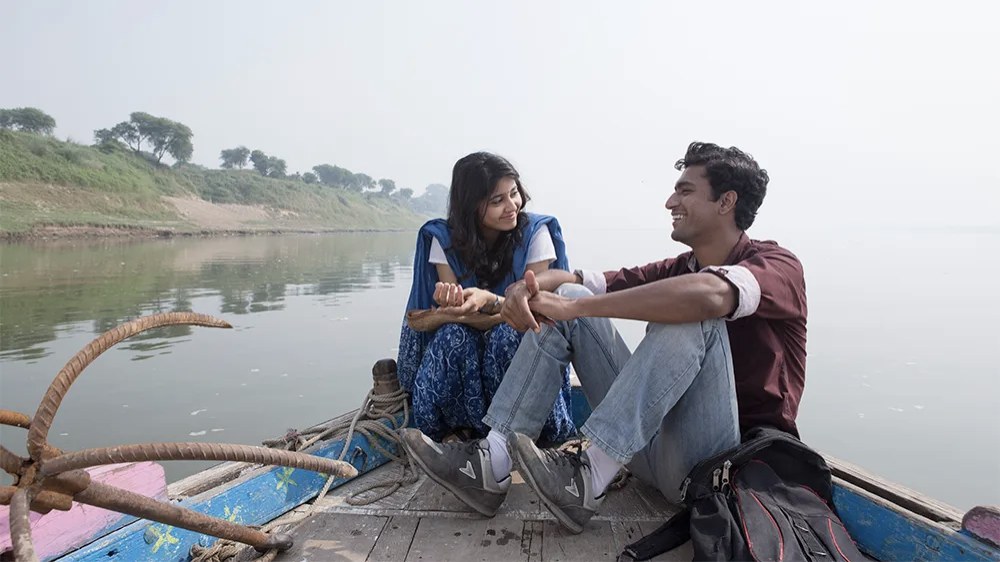
Vicky Kaushal made his debut with this film, playing Deepak, a young, light-hearted boy from the Dom community who dares to dream beyond the boundaries society has set for him. His love for Shalu, played with remarkable sweetness by Shweta Tripathi, is pure and full of hope. Shalu is not just a love interest, she’s someone who sees beyond caste and division, someone who knows how to love wholeheartedly and generously.
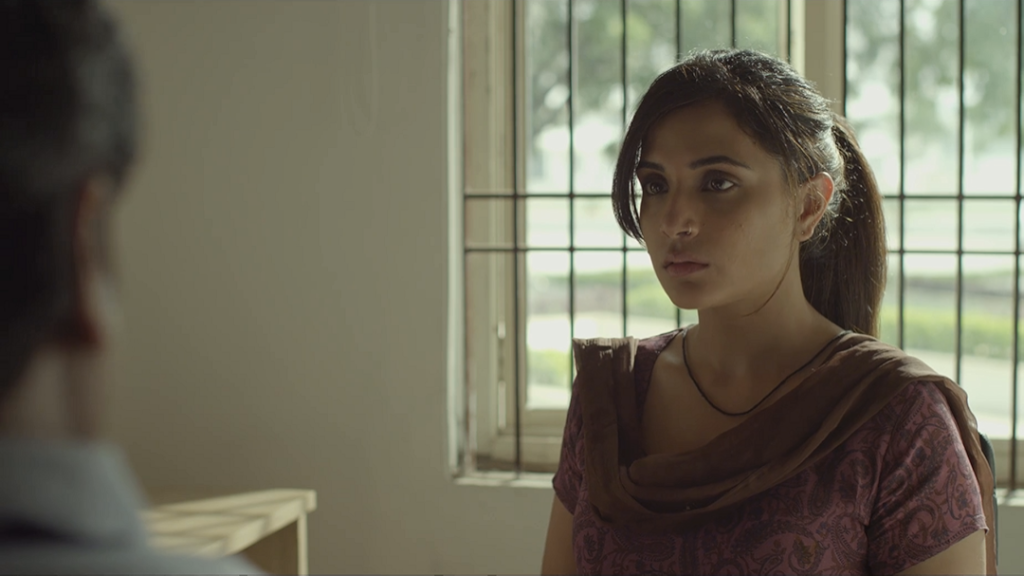
But it is Richa Chadha’s character, Devi, that forms the emotional spine of the film. A woman navigating trauma, societal judgement, and personal guilt, Devi’s arc is about self-exploration and quiet resilience. Richa brings to her role a strength that’s both raw and restrained. In losing someone dear, Devi is forced to confront the hollowness within her, and the way she seeks her redemption is both painful and liberating.
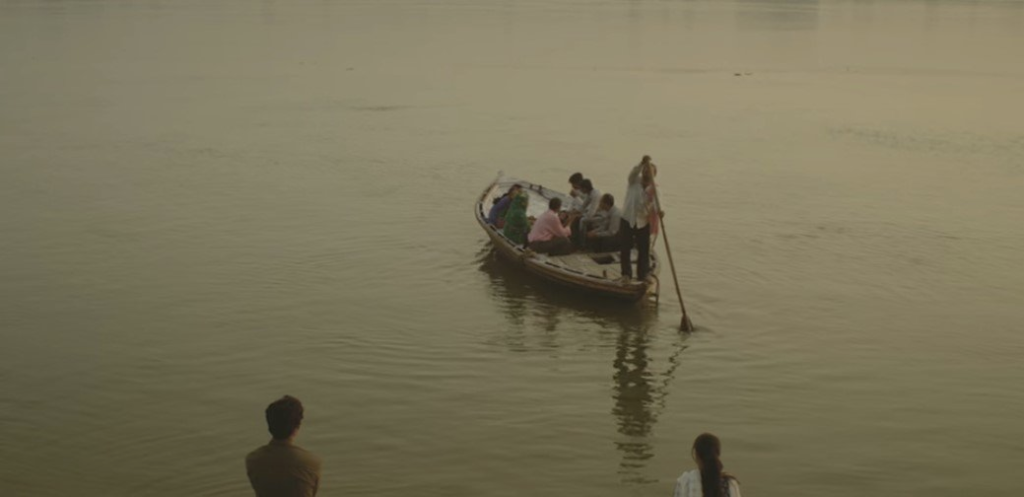
One of the most hauntingly beautiful moments in Masaan is the final scene, where Vicky and Richa’s characters sit by the riverside. That image, two strangers brought together by grief, loss, and time, is more than just a frame. It’s a tribute to the idea that no matter how different our lives may seem, human connection finds a way. The symbolism in that moment encapsulates the soul of Masaan: life is messy, unfair, yet strangely poetic. And when it’s meant to be, people do find each other, even after everything.
Everything about Masaan is humbling. It’s a rare film that feels like home, comforting in its quiet, and unforgettable in its depth. It received the recognition it deserved at the Cannes Film Festival and then in India, but its true celebration came years later when audiences, organically and collectively, rediscovered it. Today, it’s recommended, shared, and cherished by all who seek depth in storytelling.